




Construction Professional Negligence Claims
-

No Win, No Fee available in appropriate cases
-
35+ years’ specialist experience
-
Claims against architects, engineers and contractors
-
Acting nationally from Manchester
-
Authorised and regulated by the Solicitors Regulation Authority

Proud to be associated with and featured in







Specialist Solicitors for Construction Professional Negligence
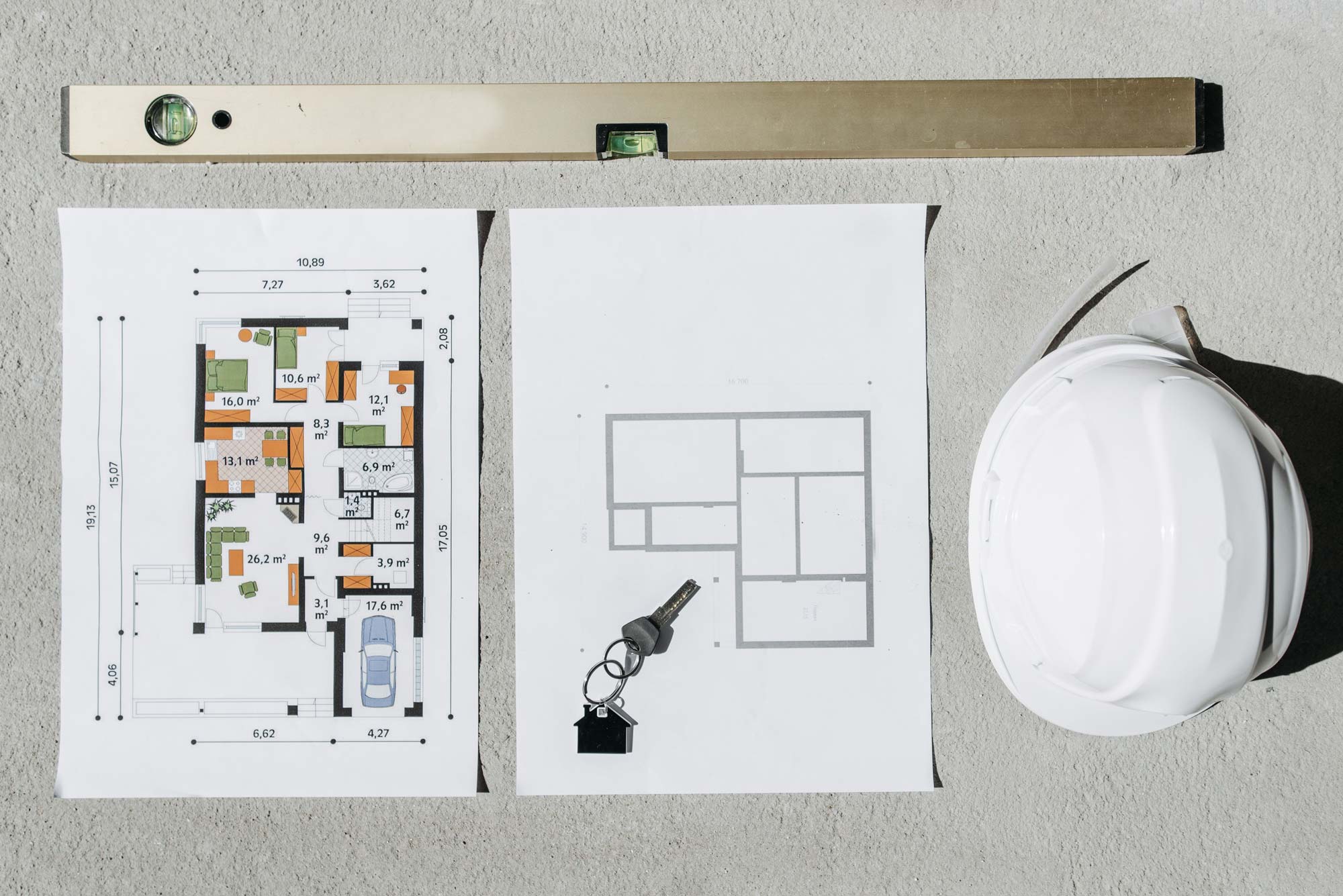
At Wealth Recovery Solicitors, we act exclusively for claimants pursuing compensation against negligent construction professionals. Led by Tony Hill, our team has over 35 years experience in professional negligence and commercial litigation, and we understand the technical complexities that these claims involve.
We act for homeowners, commercial property investors, developers, and businesses throughout England and Wales. Where the merits support it, we offer No Win, No Fee arrangements so that you can pursue your claim without upfront financial risk.
What Is Construction Professional Negligence?

Construction professional negligence arises when a professional engaged in the design, management, or oversight of construction or property work fails to exercise the degree of skill and care reasonably expected of a competent professional in their field. This is sometimes referred to as the Bolam standard the professional must act in accordance with a practice accepted as proper by a responsible body of professionals in that discipline.
Claims may arise in contract (where you have a direct retainer with the professional) and concurrently in the tort of negligence (where the professional owes you a duty of care irrespective of contract). This distinction is important because it affects the applicable limitation period and the scope of recoverable losses.
Construction professionals who may be liable include:
- Architects
- Structural and civil engineers
- Project managers and contract administrators
- Building control inspectors and CDM coordinators
Our Specialist Construction Negligence Services
We handle construction professional negligence claims across two core areas. Select the service most relevant to your situation:
-

Speak to a Construction Negligence Solicitor
If you've suffered financial loss due to negligent professional advice or defective construction work, our specialists can review your case and advise on the next steps.
Speak to a specialist
-

Architect & Engineer Negligence Claims
Claims against architects, structural engineers, civil engineers, and other design professionals for negligent design, specification errors, inadequate site inspections, and failures in contract administration. If defective professional work has caused you loss, we can advise on your claim.
Find out more about Architect & Engineer Negligence Claims
-

Commercial Contract & Breach of Contract Disputes
Claims arising from breach of contract in commercial and construction contexts including disputes over defective workmanship, failure to complete works, and non-compliance with contractual specifications. We pursue the compensation you are owed when the other party fails to perform.
Find out more about Commercial Contract Disputes
Common Construction Negligence Scenarios

Construction professional negligence takes many forms. The following are among the most common scenarios in which our clients instruct us:
- Defective design: an architect or engineer produces designs that do not comply with Building Regulations, are structurally inadequate, or are unfit for purpose
- Inadequate contract administration: a professional responsible for overseeing works fails to identify defective workmanship or certifies work that is not to standard
- Failure to advise on risk: a professional fails to warn of known risks, planning constraints, or site conditions that materially affect the project
- Budget and programme failures: negligent cost estimates or project management leading to significant overspend or delay
- Breach of contractual obligations: failure to deliver services in accordance with the agreed scope, specification, or professional standards
Do You Have a Construction Negligence Claim?

To bring a successful claim in construction professional negligence, you will generally need to establish the following elements:
- Duty of care: The professional owed you a duty to exercise reasonable skill and care (whether in contract, tort, or both).
- Breach: The professional failed to meet the standard reasonably expected of a competent practitioner in their field.
- Causation: The breach caused or materially contributed to your loss – i.e., but for the negligence, you would not have suffered the loss complained of.
- Loss: You have suffered quantifiable financial loss (e.g., remediation costs, diminution in value, loss of rental income, wasted expenditure, additional professional fees).
- Limitation: Your claim is within the applicable time limits (see below).
If you can answer “yes” to each of these, you are likely to have a viable claim. Even if you are unsure, we encourage you to seek specialist advice many clients are unaware they have a claim until they speak to a solicitor.
Time Limits for Construction Negligence Claims

Limitation periods are a critical consideration in any construction professional negligence claim. If you do not issue proceedings within the applicable time limit, your claim will be statute-barred regardless of its merits.
The key limitation periods are:
- 6 years from breach (contract): Under the Limitation Act 1980, claims in contract must generally be brought within 6 years from the date of breach.
- 6 years from damage (tort): Claims in tort accrue when damage first occurs, which may be later than the date of the negligent act itself.
- Section 14A extension (latent damage): Where damage is latent (i.e., not reasonably discoverable at the time it occurs), Section 14A of the Limitation Act 1980 provides an alternative period of 3 years from the date of knowledge that is, the date on which you first knew, or ought reasonably to have known, the material facts giving rise to the claim.
- 15-year longstop: Section 14B of the Limitation Act 1980 imposes an absolute longstop of 15 years from the date of the negligent act or omission, regardless of when the damage was discovered.
- 12 years (contracts under deed): Where the professional’s appointment was executed as a deed, the limitation period in contract extends to 12 years from breach.
- In certain particular circumstances, there may be longer limitation periods available through statute or other mechanisms but the primary periods, as noted, are always to be considered.
Important: Construction defects are frequently latent they may not become apparent for months or years after the negligent work was carried out. If you have recently discovered a problem, do not assume your claim is time-barred without taking specialist advice.
How We Handle Your Claim
Your Specialist: Tony Hill
Tony Hill, Solicitor - Head of Professional Negligence & Commercial Litigation

Tony leads Wealth Recovery Solicitors professional negligence and commercial litigation practice. With over 35 years experience, he has acted in hundreds of construction professional negligence claims involving architects, engineers, project managers, and contractors.
Tony holds an MA from the University of Oxford and is a member of the Law Society of England and Wales. He is known for his meticulous approach to complex technical claims and his ability to distil complicated construction disputes into clear, compelling legal arguments.
He takes a hands-on approach to every case, ensuring clients receive direct access to senior legal expertise from the outset.
Why Clients Choose Wealth Recovery Solicitors
-

Specialist Expertise
We focus exclusively on professional negligence and financial recovery. Construction claims are a core specialism, not a sideline.
-
No Win, No Fee
In appropriate cases, we offer conditional fee arrangements so you do not pay legal fees unless your claim succeeds.
-

Senior Solicitor-Led
Your claim is handled personally by Tony Hill not delegated to junior staff or paralegals.
-

National Coverage
Based in Manchester, we act for clients throughout England and Wales.
-
Technical Understanding
We understand construction processes, professional standards, and the technical expert evidence that these claims require.
-
Strong Track Record
Decades of successful outcomes in professional negligence claims, with recoveries secured against professional indemnity insurers nationwide.
Frequently Asked Questions About Negligence Claims
-
What types of construction professional can I claim against?
You may bring a claim against any construction professional who owed you a duty of care and fell below the expected standard. This includes architects, structural engineers, civil engineers, project managers, building control inspectors, and CDM coordinators. The professional must typically carry professional indemnity insurance, which is the usual source of compensation.
-
How long do I have to bring a claim??
The general limitation period is 6 years from the date of breach (contract) or the date damage first occurs (tort). However, for latent defects which are common in construction – Section 14A of the Limitation Act 1980 provides an extension of 3 years from the date you first knew or ought to have known the material facts. An absolute longstop of 15 years applies from the date of the negligent act. If your professional’s appointment was under deed, the contractual period extends to 12 years.
-
What losses can I recover?
Recoverable losses typically include the cost of remedial or rectification works, diminution in property value, loss of use or rental income, wasted professional fees, alternative accommodation costs, and consequential financial losses that were reasonably foreseeable at the time of the retainer or duty.
-
What is the Construction and Engineering Pre-Action Protocol?
The Pre-Action Protocol for Construction and Engineering Disputes sets out the steps parties are expected to take before issuing court proceedings. It requires the claimant to send a detailed Letter of Claim, gives the defendant a defined period to respond, and encourages early exchange of information and alternative dispute resolution. Compliance with the Protocol is expected by the court and failure to comply can result in costs sanctions.
-
Do I need an expert to bring a claim?
In most construction professional negligence claims, independent expert evidence is essential. A technical expert (e.g. architect, or engineer) will assess whether the defendant’s work fell below the expected standard and whether that failure caused your loss. We work with a network of experienced construction experts and will instruct the right specialist for your claim.
-
What does ‘No Win, No Fee’ mean??
A No Win, No Fee agreement (formally a conditional fee arrangement or CFA) means that you do not pay our legal fees if your claim is unsuccessful. If your claim succeeds, a success fee is payable — this is a percentage uplift on our base fees, capped by law. We assess each case individually and offer CFAs where the merits and value of the claim support it.
-
How is professional indemnity insurance relevant to my claim?
Most regulated construction professionals are required to hold professional indemnity (PI) insurance. This means that when a claim is brought, the professional’s PI insurer typically handles the defence and pays any damages awarded or agreed in settlement. The existence of PI insurance is important because it provides a realistic source of recovery you are not reliant on the professional’s personal assets.
Important Information
In certain particular circumstances, there may be longer limitation periods available through statute or other mechanisms but the primary periods, as noted, are always to be considered.
Wealth Recovery Solicitors is a trading name of Wealth Recovery Solicitors Limited. We are authorised and regulated by the Solicitors Regulation Authority (SRA).
The information on this page is provided for general guidance only and does not constitute legal advice. Every claim depends on its own facts, and the law is subject to change. You should not act or refrain from acting on the basis of this information without taking specific legal advice on your individual circumstances.
Where we refer to “No Win, No Fee”, this means a conditional fee arrangement (CFA) as permitted by the Courts and Legal Services Act 1990 (as amended). Not all cases are suitable for a CFA. Suitability is assessed on a case-by-case basis. Where a CFA is entered into and your claim is successful, a success fee will be payable by you. The success fee is a percentage of our base costs, subject to the statutory cap. Full details of our funding arrangements, including any applicable success fee, will be provided to you in writing before you enter into any agreement.
Claims are subject to limitation periods as set out in the Limitation Act 1980. If you believe you may have a claim, you should seek legal advice promptly to ensure your claim is not time-barred.
Page authored by: Tony Hill, Solicitor – Head of Professional Negligence, Wealth Recovery Solicitors.
Reviewed and updated: May 2026.